Humility
Approaching every encounter with openness to learn
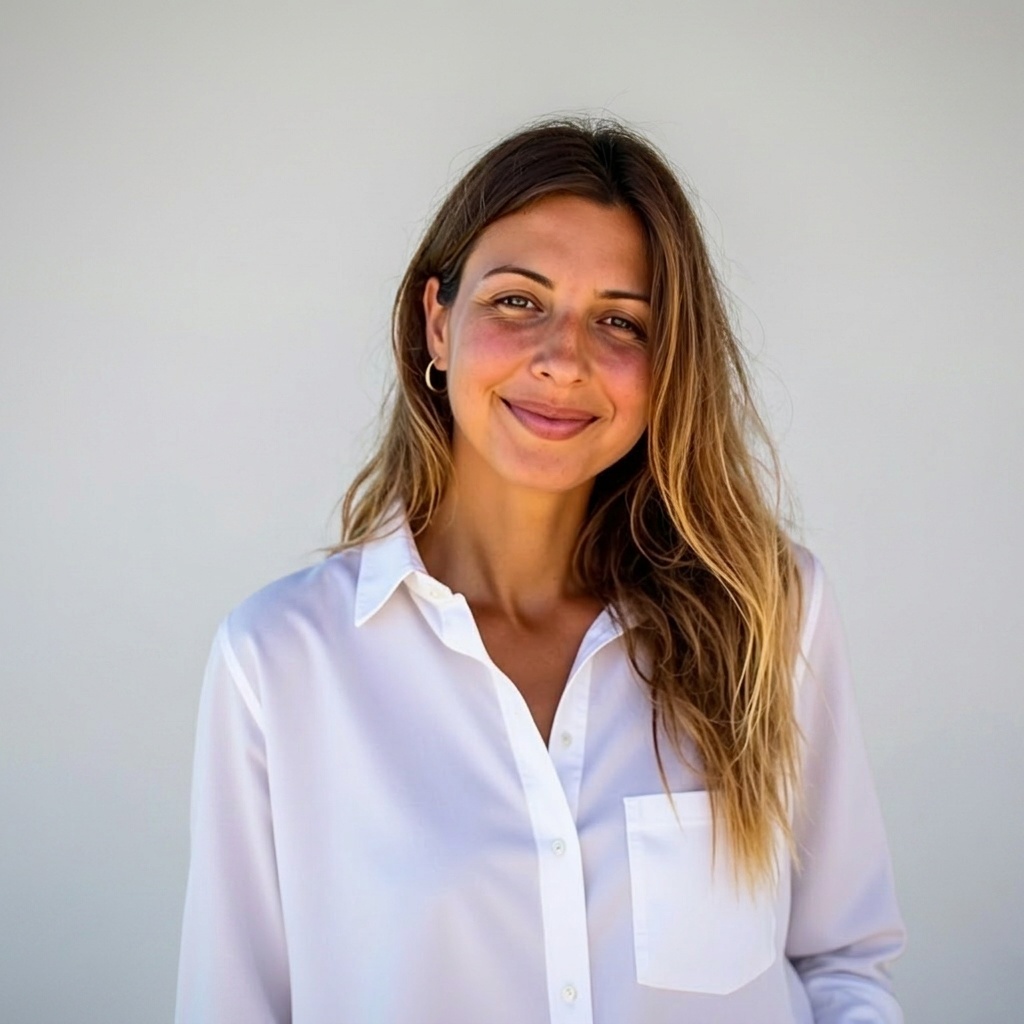
Intercultural Practitioner
Dialogue evolved organically through intuition and observation — a way to navigate and bridge cultural differences.
My father has been my inspiration for exploring different cultures and ways of being. Growing up, I witnessed him navigate cultural differences with curiosity, empathy and no sense of hierarchy — communicating across languages and backgrounds as if it were part of his natural essence.
Inspired by his example, I embraced my curiosity by living across different cultural contexts — from Los Angeles and New York City to Taiwan, Brazil, Italy, the United Kingdom, and Portugal. Studying six languages became my portal into different worlds — using language not as a skill, but as an act of respect. When language was not available, human connection became my way of asking questions and listening with empathy and openness.
Through my MA in Intercultural Practices at Central Saint Martins, I discovered that what I had always done intuitively was something I could name and develop as an intercultural practice. This framework is inspired by lived experience and grown from research and practice, exploring dialogue as an approach to navigating cultural difference and fostering trust.
My practice explores how people navigate cultural difference and develop the capacity to work across perspectives. I am particularly interested in intercultural competence, cross-cultural collaboration, and the ways dialogue can create space for understanding, adaptation and trust.
As organizations expand across cultural contexts, enter new markets, build diverse teams and develop cross-cultural collaborations, the ways people communicate, interpret expectations and adapt to difference can shape how that work unfolds. I’m interested in bringing greater attention to this human side of working across cultures — using an intercultural lens to help make differences visible, question assumptions and create space for people to understand and adapt to one another. Ultimately, my aim is to support organizations in developing more thoughtful collaboration and trust across cultural difference.
Approaching every encounter with openness to learn
Genuine desire to understand different ways of being
Creating space for difference without judgment or stereotyping
Listening deeply and responding with mindfulness and compassion
Continuous questioning of your own assumptions
Being true to yourself while remaining open to the other
What began with my father's example has inspired my journey, and notably, my practice.
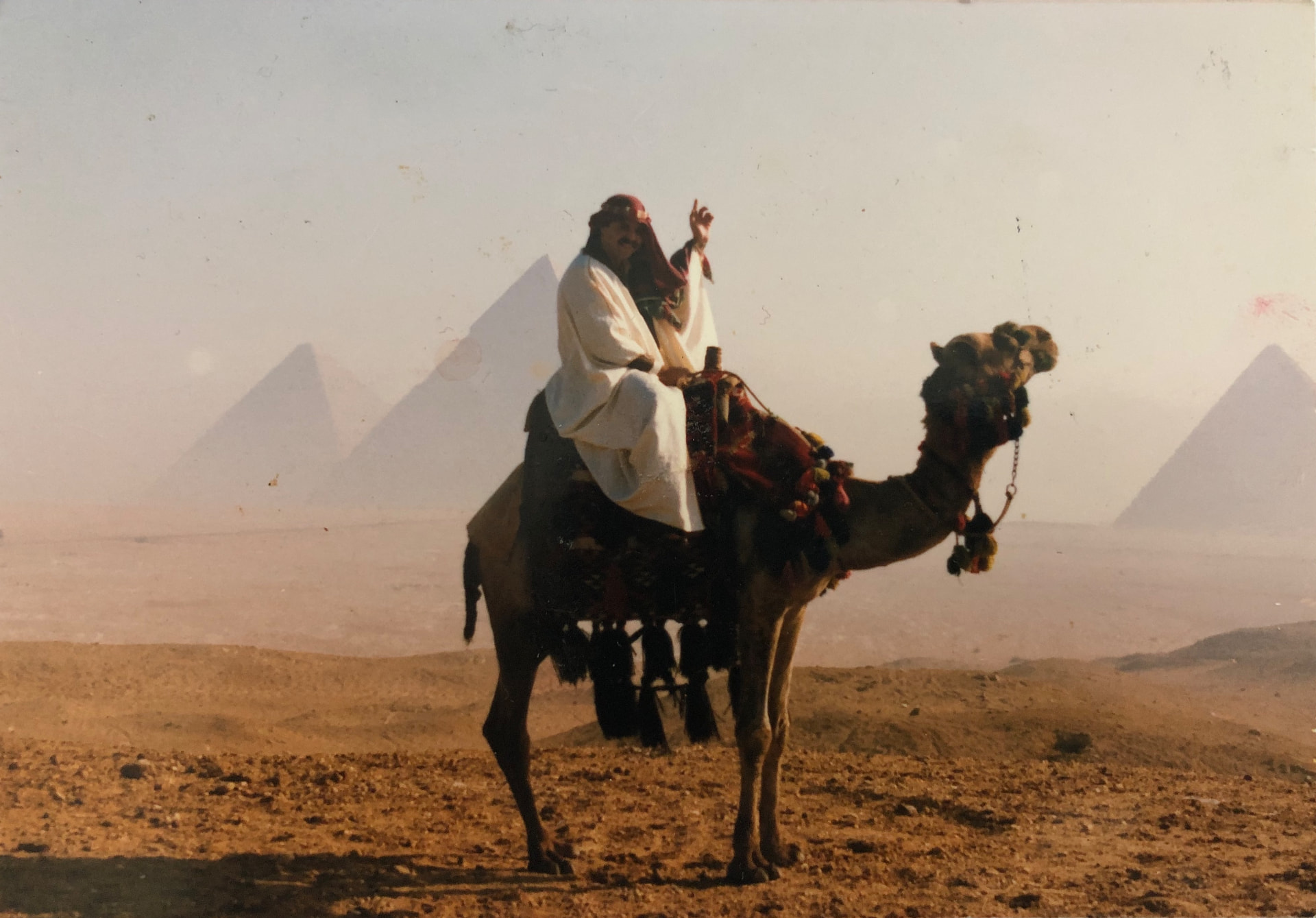
My father, Michael Langston, during his time living and working in the Middle East, circa 1978.